



 Maintenance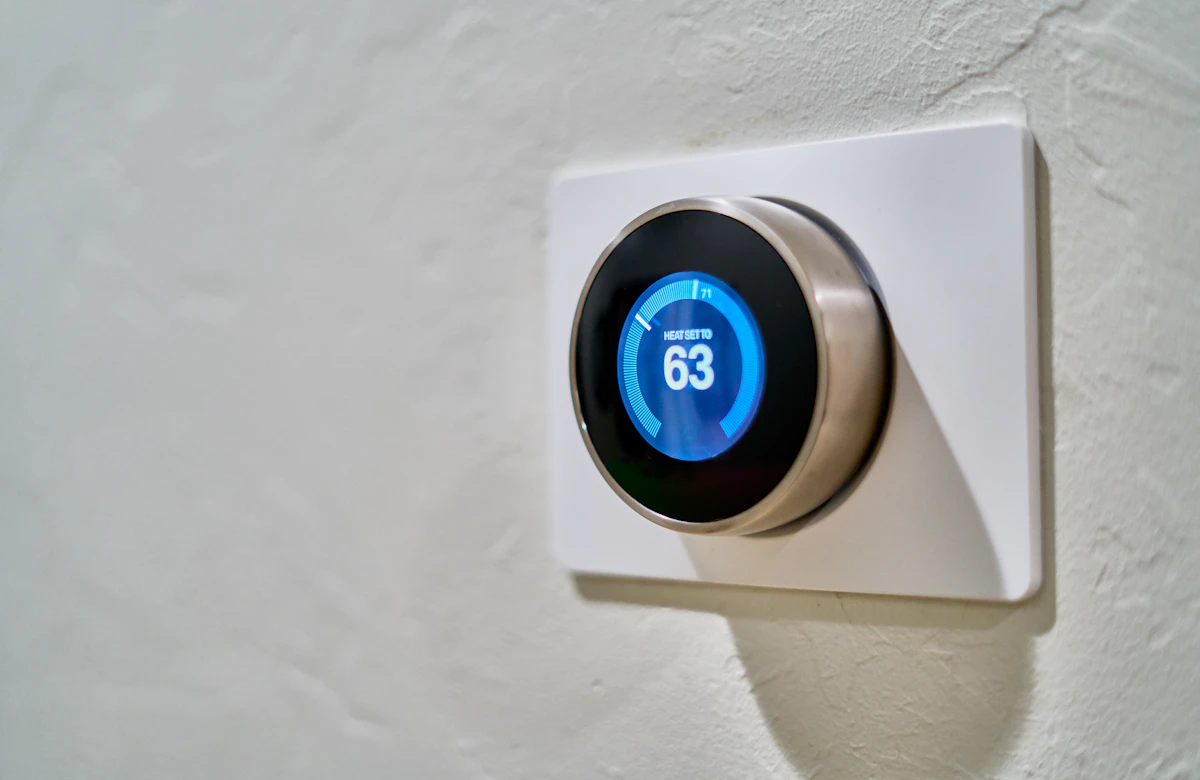
Summer is drawing to a close and in a few weeks the heating will come on again in most homes for the first time. That exact moment — the first cold October morning — is the busiest day of the year for our repair service. A boiler that has stood idle for months only reveals its problems then. With these seven half-hour checks, you won't be the one left in the cold.
1. Check the water pressure
Look at the display or gauge on your boiler. When cold, the pressure should sit between 1.5 and 2 bar. If it's below 1 bar, the boiler will most likely lock out straight away on start-up. Top up via the filling loop to 1.5–2 bar.
2. Bleed the radiators
Air collects in the system over the summer. Bleed all radiators from the lowest to the highest floor and then check the water pressure again — it almost always drops slightly after bleeding. Our step-by-step bleeding guide walks you through it in ten minutes.
3. Check the thermostat
Replace the batteries in a wireless thermostat (a flat battery looks suspiciously like a boiler fault) and review the weekly schedule: do the times still make sense after the summer holidays? If your boiler has an adjustable flow temperature, set it to 60 degrees or lower. In most homes comfort stays the same, while the condensing boiler then truly runs in condensing mode and burns noticeably less gas.
4. Do a test run
Don't wait for the first cold day. On a cool September evening, turn the thermostat up a few degrees for half an hour and walk past all the radiators. Do they warm up evenly? No ticking, gurgling or banging? If the boiler keeps locking out, check our article on error codes to see what the message means.
5. Test the carbon monoxide alarm
Every home with a gas appliance should have a CO alarm near the boiler. Press the test button, replace the battery if the signal is weak and check the replacement date on the device: an alarm's sensor lasts 7 to 10 years. Don't have one? For a few tens of euros you buy the most important safety device in the house.
6. Book the service before October
Is your boiler due for a service (every two years, annually for older boilers)? Then book it now. In October and November every installer's schedule fills up with breakdowns, and a service visit in September catches exactly the wear that would otherwise turn into a winter breakdown. Your manufacturer's warranty also only remains valid with documented maintenance.
7. Heat smart in the shoulder season
September and October are the months when you want a little warmth in the mornings and evenings, but the boiler doesn't need to run at full tilt yet. If you have a split air conditioner, this is the moment to use it as an air-to-air heat pump: in the shoulder season it heats more cheaply than gas, and during the day it does so on your own solar power. That way you postpone the moment the boiler really has to come on by a few more weeks.
Key takeaways
- Water pressure 1.5–2 bar and radiators bled: the two causes of most 'first cold day' breakdowns
- Replace thermostat batteries and set the flow temperature to 60 degrees or lower
- Do a test run in September, test the CO alarm and book a service before the October rush
- Boiler older than 15 years? Decide on replacement now, not mid-winter
Rather have us check it?
During a service visit our engineers go through all the points above, clean the burner and heat exchanger and measure combustion and the flue. Your boiler goes into winter the way it should: clean, safe and efficient. Book your service at a time that suits you.


